
By Dr. Deborah Duncan Owens
Second grade can be a pivotal and almost magical developmental period in the life of a young literacy learner. I loved teaching second graders. I noticed a phenomenon that occurred during the holiday break mid-year. They left for the two-week break as second graders and often when they returned, they were a little different. Some more than others, but there was some sort of transformation that had occurred. I’m not sure exactly what happened because it was subtle – and I’m not exactly sure why.
However, I do think that there was a sort of “settling in” as readers. For the most part, they’d learned the foundational skills of reading. Of course, they still had much learning to do, but many, if not most, were able to decode simple words and read independently — and they were able to encode words – to write – words and sentences to create stories. And there is a great deal to be said for their burgeoning confidence as literacy learners. So, maybe that’s what I was noticing.
This transitional moment in the middle of second grade ushers them into a new phase of their literacy lives that will carry them through their elementary school years and beyond. All the excellent things teachers have been doing to grow them as readers and writers are on full display. All the literacy events – the conversations, the read alouds, the shared reading experiences, and the excellently scaffolded teaching and learning of essential reading skills are coming together and students can envision themselves as independent readers and writers. Many have already learned to love books.
This is the opportune time in their lives to further nurture a love of reading. Children begin to embrace the books they love to read on their own. As an adult I have my favorite genres of books and my favorite authors. For example, I love a variety of English mystery novels. I also try to read everything written by certain authors like Marilynn Robinson and Ernest Hemingway. I love the poetry of Emily Dickenson, Edna St. Vincent Millay, and William Butler Yeats. I read a lot and a lot of different types of books. As a child I loved the Ramona and Beezus books by Beverly Cleary and Nancy Drew mysteries. Teachers can begin early in the lives of young literacy learners to facilitate the discovery of their own favorite books.
The role of teachers is to provide students with three things: one, teachers can open up the world of books to children; two, provide time and space for students to cozy up with their favorite books; and three, allow students opportunities to select the books they want to read.

Book Tastings:
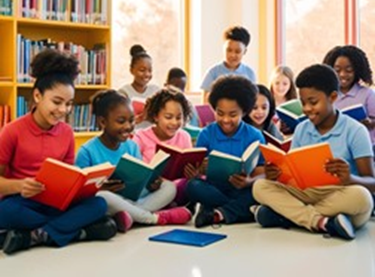
Teachers can open up the world of books to young children by doing short book talks, or book “tastings” and reading short passages from books. I really think the most powerful books at the elementary level are those in series. My students were intrigued with the Magic Tree House series. Many were hooked on these books in first grade when teachers read them aloud and by second grade, they were already reading them on their own, one after the other. There are many similar series that teachers can share with their students through book tastings. Selections of books can be offered like a tray of appetizers. It’s important to provide a variety of books to taste. You never know what will appeal to your students. Maybe they’ll enjoy the Rookie Detective series by Meteo Sommer, Donavan’s Word Jar by Monalisa Degross, Sprinkles and Unicorn series by Diane Alber, or chapter books about sports. And some students may like video game themed series like Trapped in a Video Game by Dustin Brady. And, yes, some students will become obsessed with Captain Underpants! As a teacher you hope to make a match between your young readers and the characters and stories in books because the point is to get them reading independently because as the saying goes, the more you read the better you read. And the better you read the more you want to read – and will continue to read.
And don’t forget that children’s story books are still very much on the menu. The language used in many children’s story books have complex syntax structures and vocabulary and are extremely valuable for growing young readers. So, continue to put them on the appetizer tray for book tastings throughout students’ elementary school years.
Time, Space, and Choice:
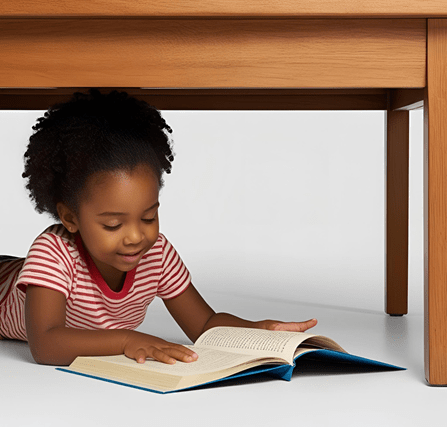
Teachers often find their daily schedules so packed that it’s difficult to reserve time in the day for children to read independently. But it’s so important to carve out at least twenty minutes a day for students to pull out a book and find a cozy place to just read and be transported away from daily life within the pages between the covers of a favorite book. This is a very important component of reading instruction and cannot be negotiated.
Be sure that children have choices about what they read. I’m never more engaged as a reader than when I’m reading a book I’ve chosen to read for the sheer enjoyment of reading. Of course, I need to read a lot of different types of books and texts for my professional life – and I enjoy reading those, too. But there is nothing more enjoyable than reading something that I’ve chosen to read just for the pleasure of reading. It’s the same with elementary students, too. There are texts they need to read throughout the day along with the rest of the class. But they also need time to read for pleasure – a book of their own choosing.
Remember, too, that you should read aloud to your elementary students every day. This is where you can really stretch your students’ comprehension skills and vocabulary development. Select books to read aloud that are slightly above your students’ independent reading levels – books they may not be able to read on their own. As you read, pause to explain new vocabulary words or concepts. Model the ways you employ to understand the text. In other words, metacognitively model your own comprehension process. Whether you teach early childhood level students or upper-level elementary students, this is extremely important in demonstrating the process of reading.
Elementary teachers are pivotal in ushering students into this important phase of literacy learning as they gain confidence as readers and begin to read independently. Offering them book tastings provides a window into the big, big world of books. Carving out time and space to read books they find enjoyable facilitates an understanding of the power of books by being immersed in characters, times, and places and to step out of their ordinary daily lives. And effective literacy teachers understand the importance of allowing students to choose their own favorite books to cozy up with to read.
The most important thing to remember is that you want your children reading, reading, reading. It bears repeating: the more you read, the better you read. And the better you read, the more you will want to read.
 Moving Beyond the Reading Wars
Leave a comment